
Change your Metaphor: Change your Meaning.
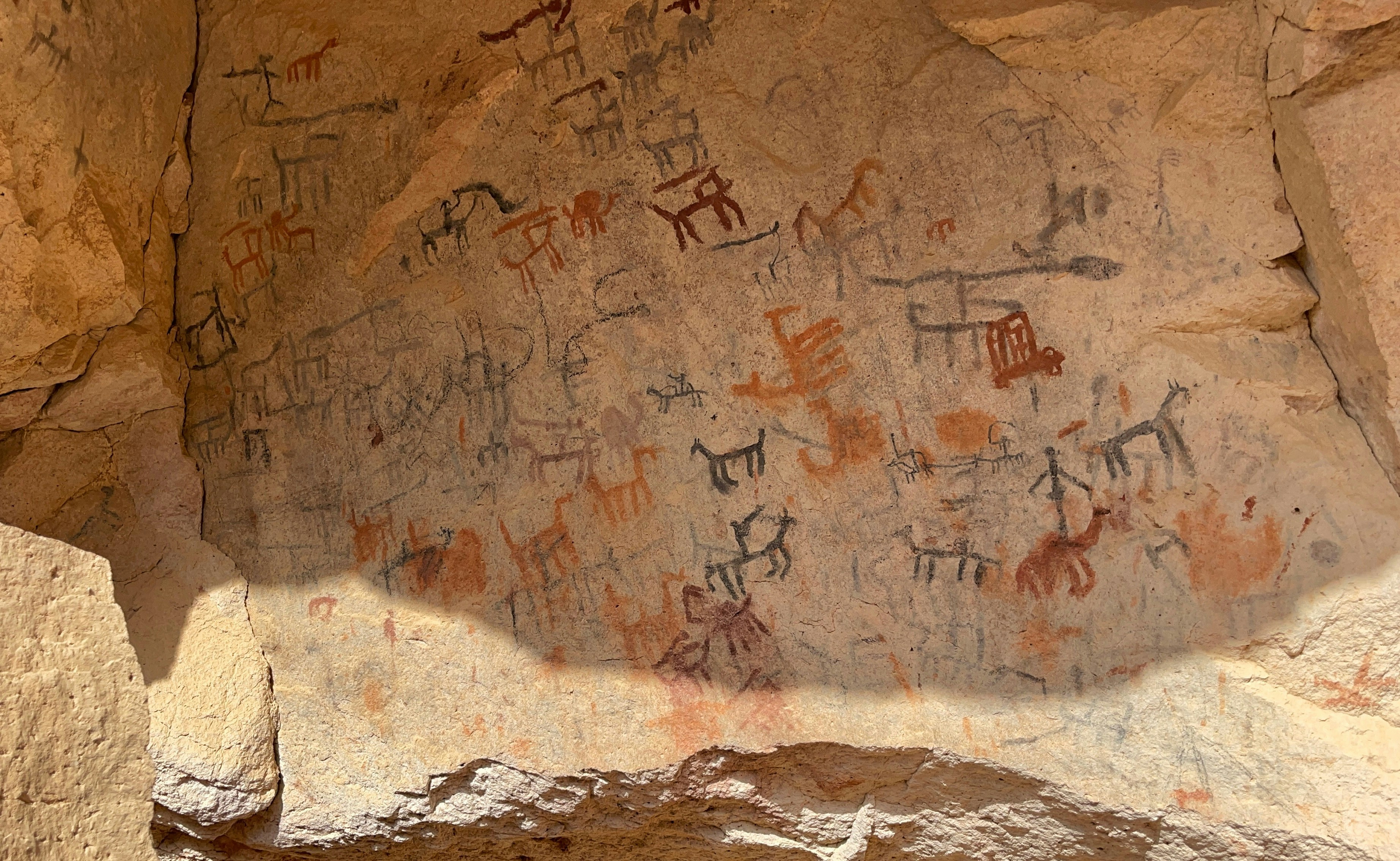
Metaphors are all around us. We use them without realising. Words that were previous literal descriptors show us how we are constructing our worlds, in a way that isn’t obvious to our conscious minds. Our language holds the secrets of our inner world, heavy and rich with inner meaning, a coded message summing up the complexity of how we see and, more importantly experience the world. The are the representation of the pictures that paint the insides of our minds, the beliefs we hold and the feeling we feel. The emotions[1] that move us to flow forward of stay still, to take cover or to soar. They are our brain’s cave paintings.
If we pay attention, they can tell us how we see our current reality and what’s holding that in place, for good or ill. We can hear the shared metaphors in organisations; “gearing up for battle”, “drowning in emails”, “being in the hotseat”. Changing how you talk about things can start to change how things feel. Changing how things feel can change what you do. This is both true for individuals or for the collective.
Metaphors (when recognised) can also give us the opportunity to shift. You can either work with the metaphor or change it to something else. If you are “drowning in emails”, you might ask ‘ what could you help you to keep afloat?’ or ‘how could you slow down the tide?’ and eventually, ‘how could I learn to swim?’ Or if going into a particular meeting felt ‘like going into battle’, you might want to think about how you are also creating that fight, as after all, combat needs at least two sides. Do you think of some people as enemies to be beaten and others as allies? What does that tell you about how you approach the people in the meeting? Are you hostile to some (looking out for bullets) and providing air cover to others? How could you think about it differently? What if you were all players in an orchestra and the chair of the meeting was the conductor? What if rather than raging war you were creating music?
Just reframing or shifting metaphors a little bit can move can open up options and lever in some movement.
We often have common metaphors, that appear and reappear. Some metaphors that been apparent in conversations with coaching client have included:
Time
We often think about time like money; a scarce commodity that once used is gone. Like money time is just a construction and we can change how we think about it. For example, someone who is a running a household budget thinks about money very differently from an investment banker. The former would make cutbacks if money was tight, whilst the latter might ‘speculate to accumulate’. How would that change of perspective change how you think about the time you have to do something?
Deadlines
When clients talk about deadlines, it’s often as if something terrible will happen if they don’t achieve them, even if it is a self-imposed deadline. Deadline is an interesting metaphor. Like many, it was a real thing from the American Civil War. It was a rope line that surrounded a prisoner of war camp. Guards were under orders to shoot dead any prisoner that crossed the line. On one side of the line you live and on the other you could die. Whilst in the modern world the word ‘deadline’ has become common place, it’s power still exists. If you try it on and feel a deadline, most often we see nothing on the other side of the line. This metaphor is great when you really want a clean completion, something finished with no loose ends (another metaphor…) It isn’t useful if you want to transition from one thing to another . There are very few true deadlines in life and even ones that we think about (like a tax return) may have some consequences but nothing that can’t be resolved (usually). A client discovered this when feeling stuck when trying to transition from one role to a new business. The self imposed deadline was looming. Reframing the deadline into a threshold with a two way door opened up possibilities. A clear vista to the future through the door with the option of being able to travel back and forth until they were ready to close the door. A door that could always be reopened if needed. Even when the children went through the wardrobe door into Narnia, they knew they could go back if they wanted.
Paying attention to the metaphors we use can give us options and greater control over how we view our world. Little shifts can make a huge difference. So the next time you feel like you are in stormy waters, how could you navigate to harbour to get a little respite? Or if you felt like you are fighting to get your voice heard, rather than having a volume battle, how could you turn your opponents into allies?
What are the metaphors you notice? How would changing them make a difference?
[1] Even the word ‘emotion’ has a metaphorical quality – emotion comes from the Latin word ‘emovo’ which literally means to move. Our emotions drive our behaviours and literally make us take action – even freezing is an action.